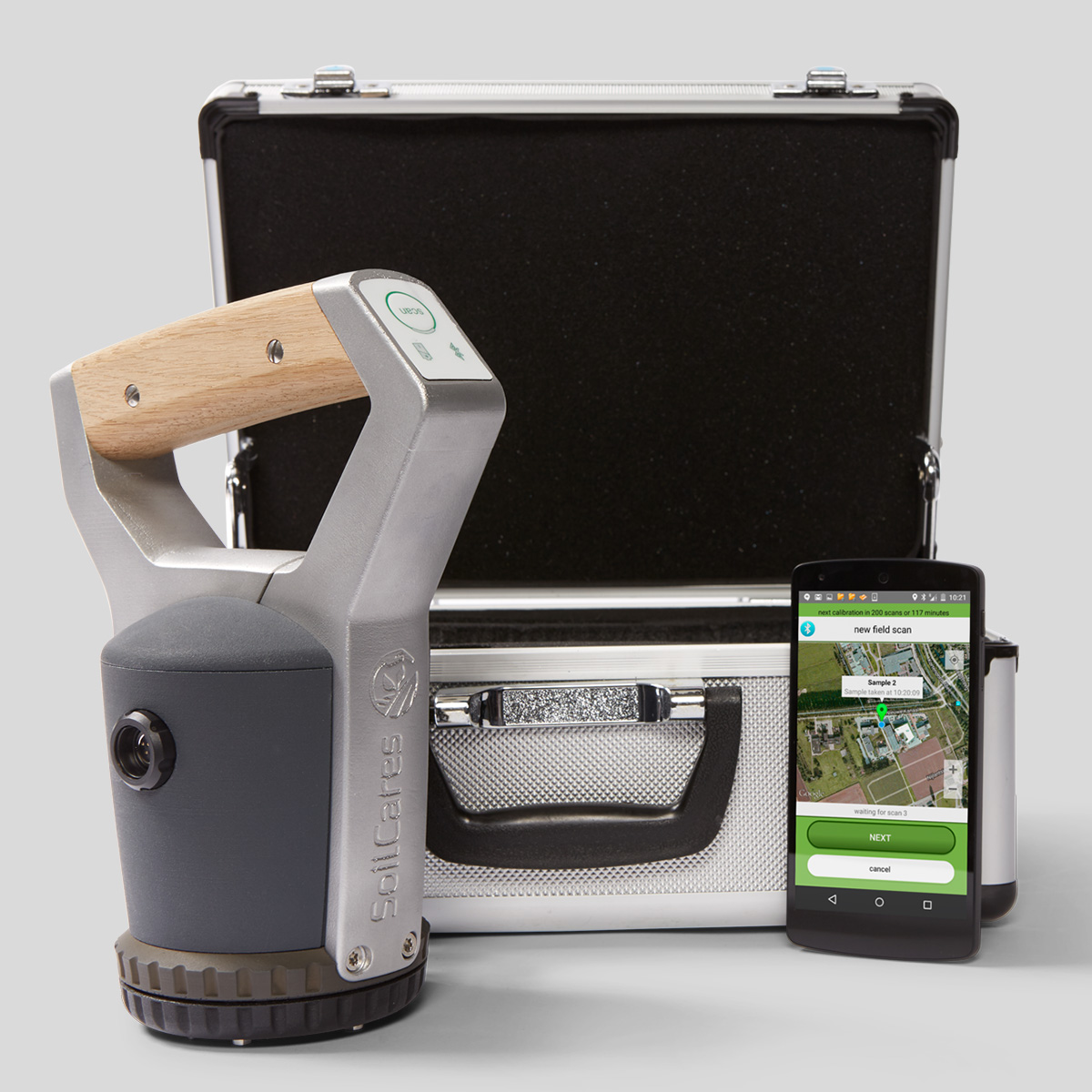
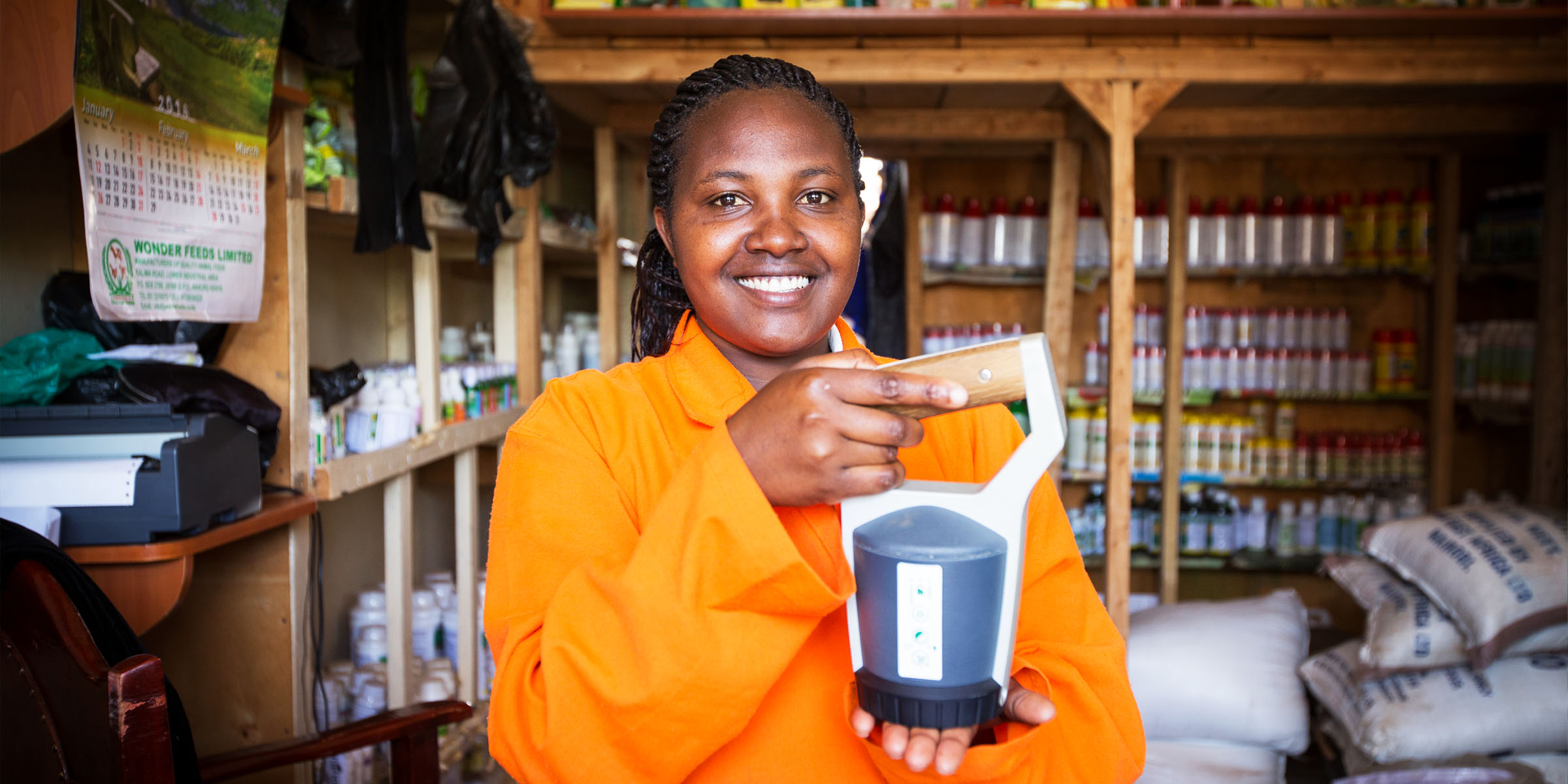
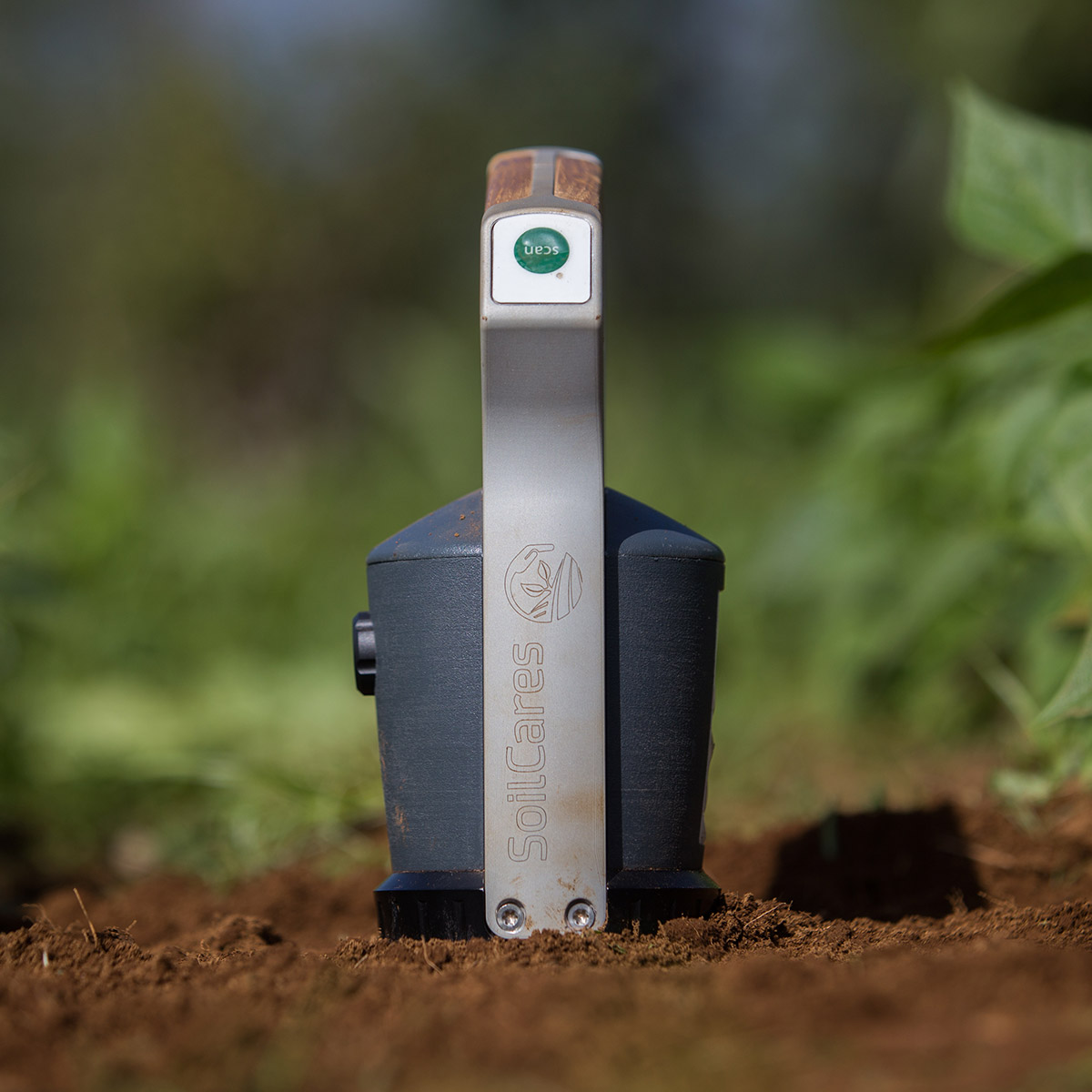
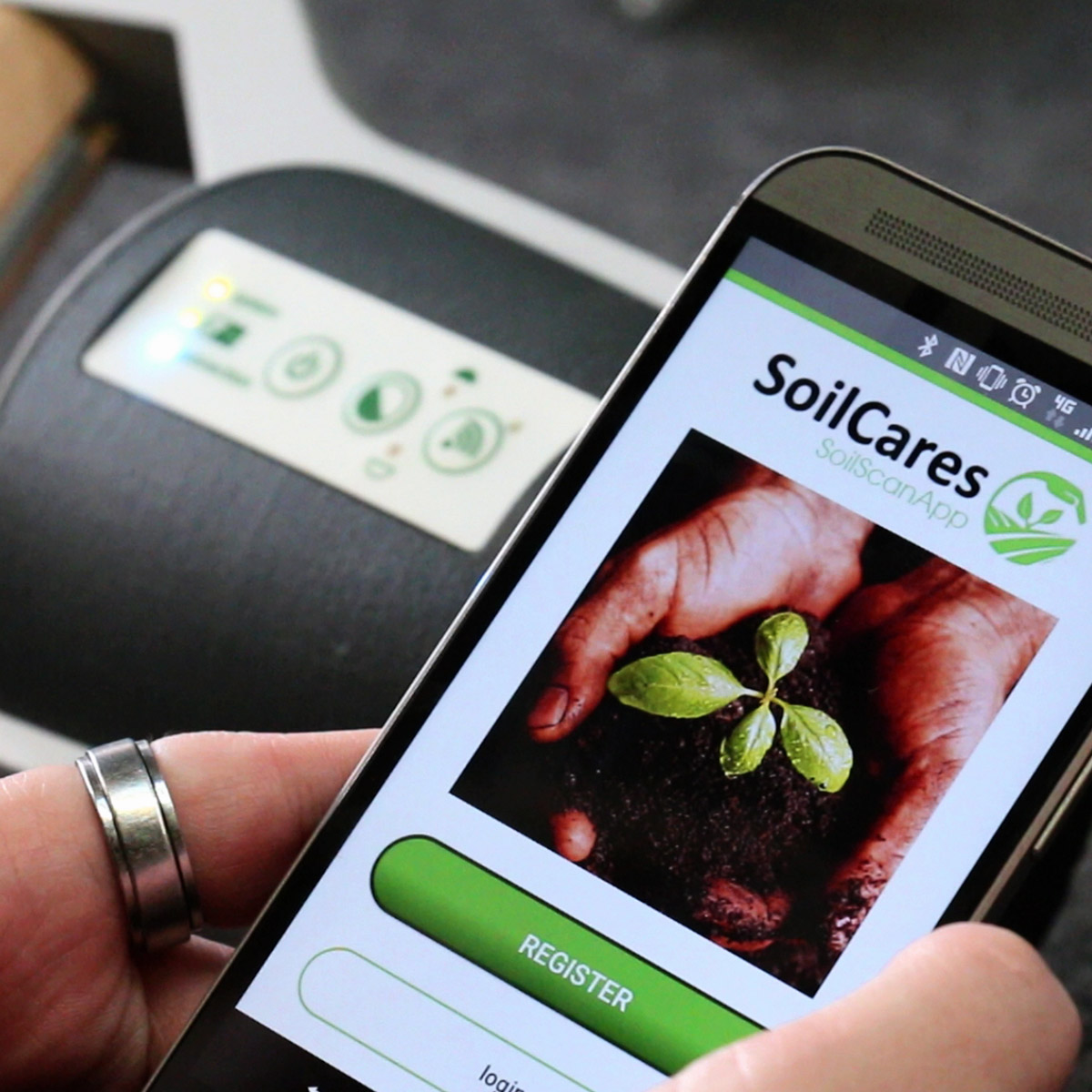
During the development of the scanner, Scope made two functional test series to be able to test the operation and use of the scanner on location in Kenya. The first functional model incorporated an existing sensor and light source. With this, the entire system and the context of the scanner were tested in Kenya, such as sending information, the calculation modules, the app, etc.
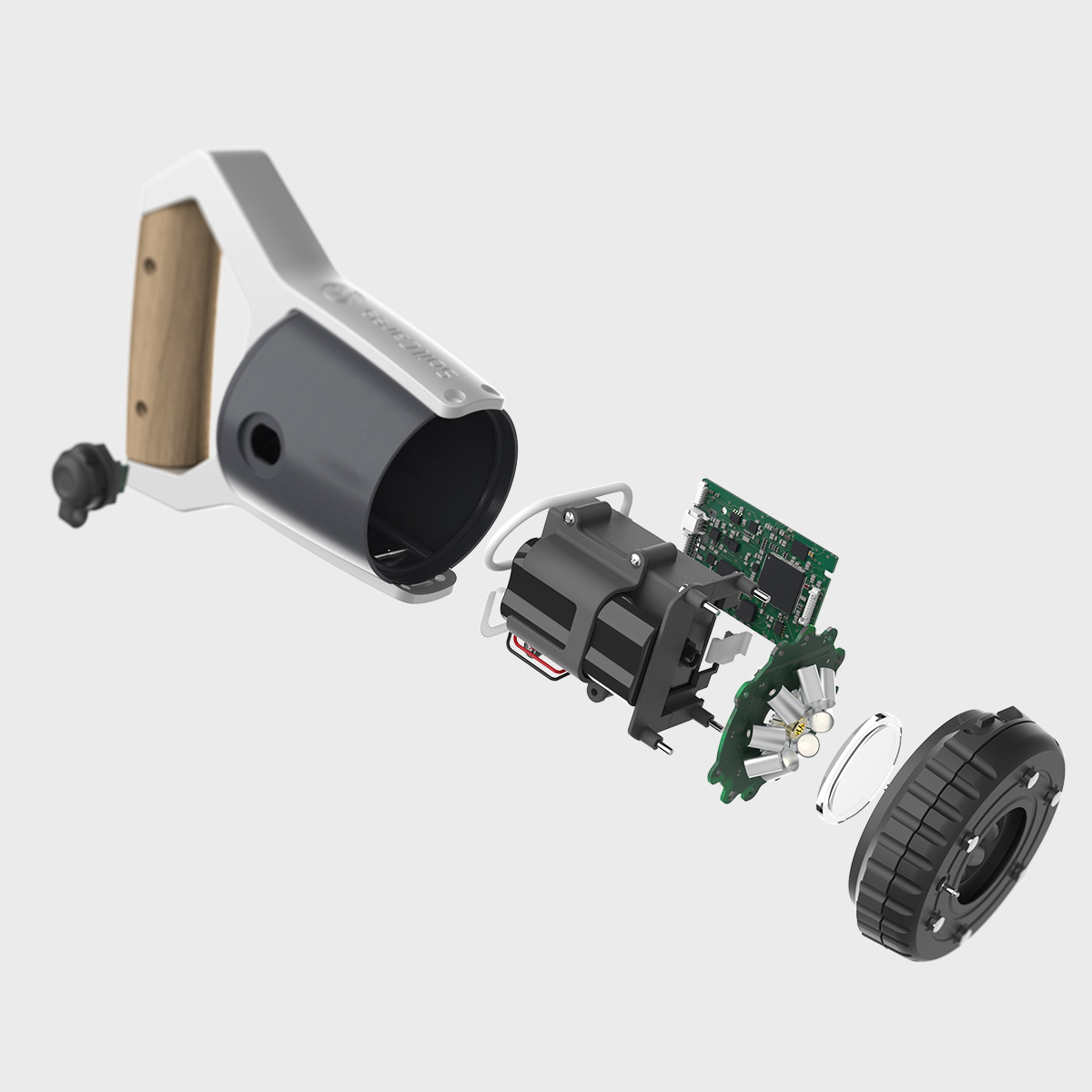
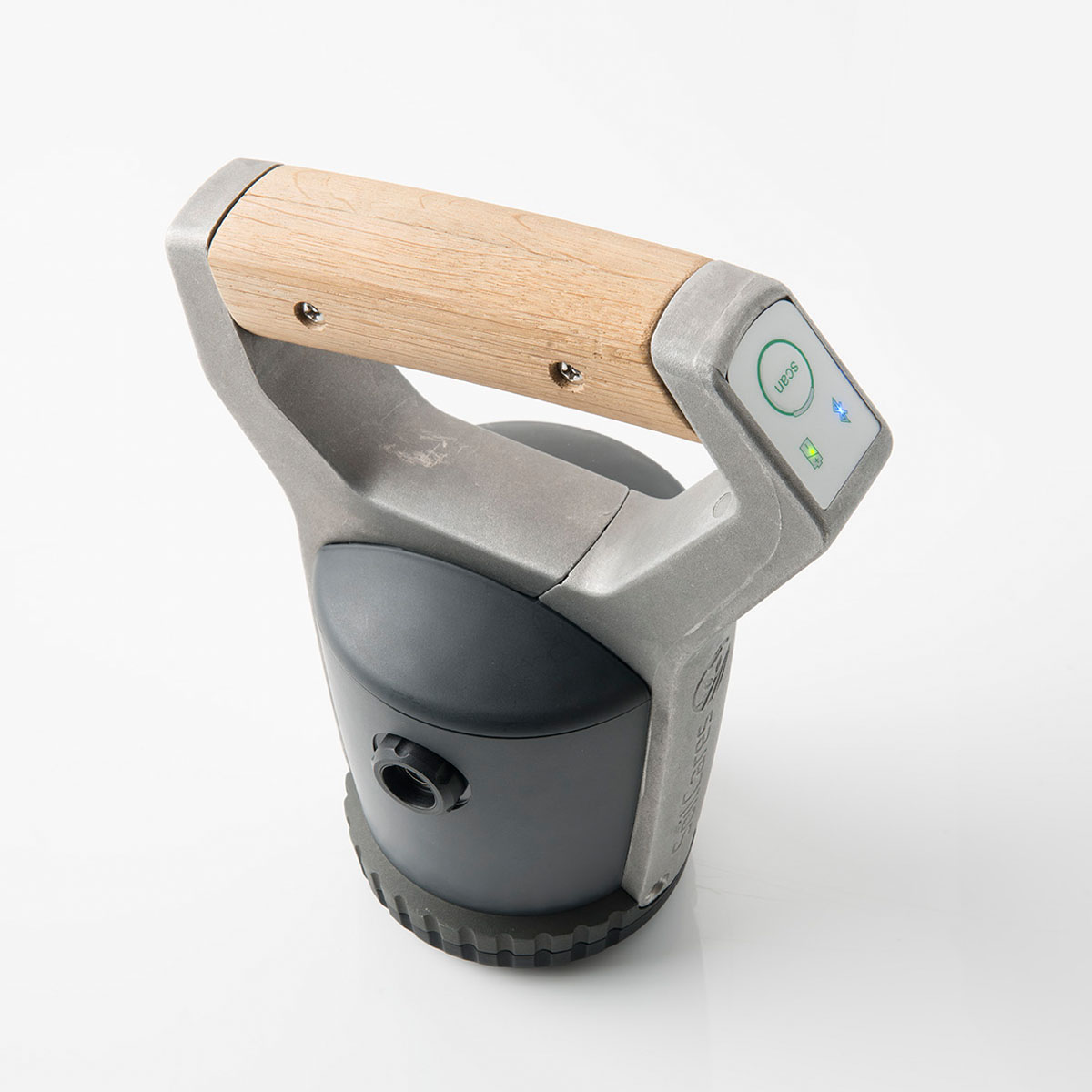
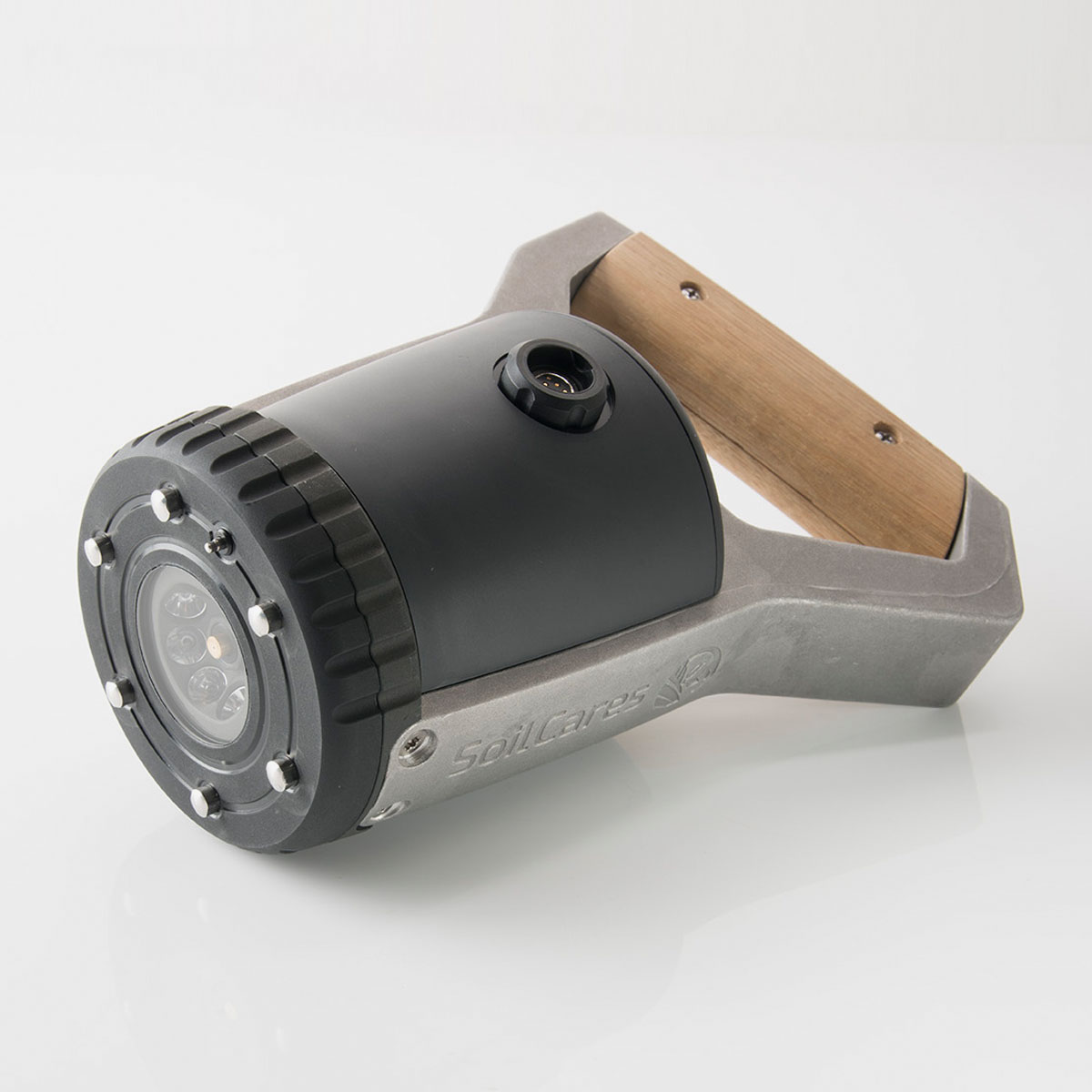
The second working test model was based on Arduino and contained the new light source designed by Scope and much cheaper to manufacture. This model mainly served to test the thermal management, the required robustness and other design assumptions, such as the construction with the metal housing and the charging . In the end product, the electronics are final and optimisations were performed on the calculation modules, the embedded software and the app.
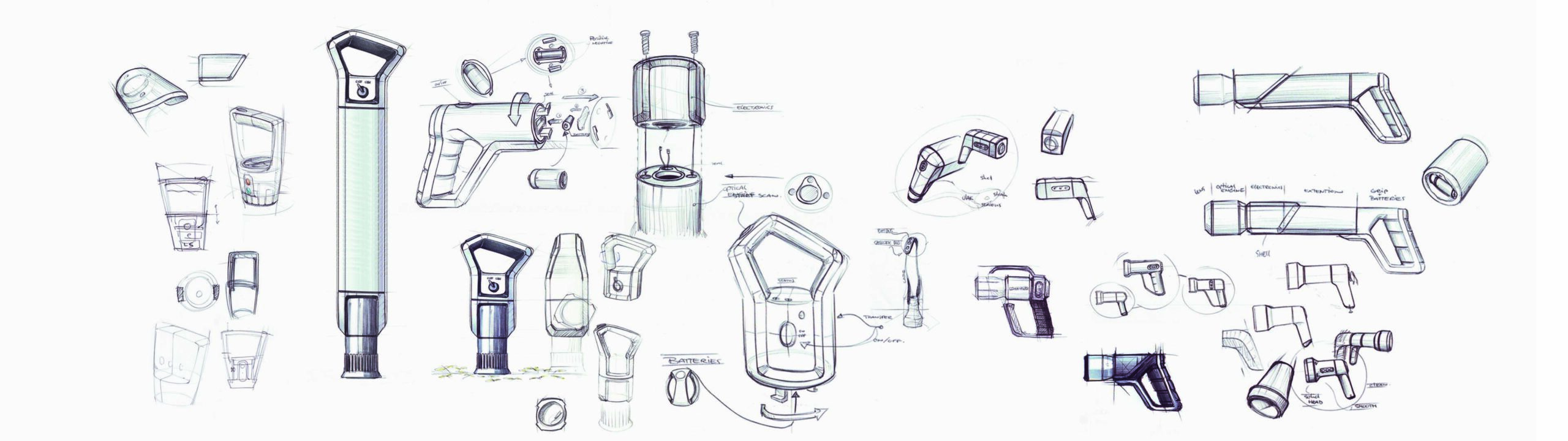
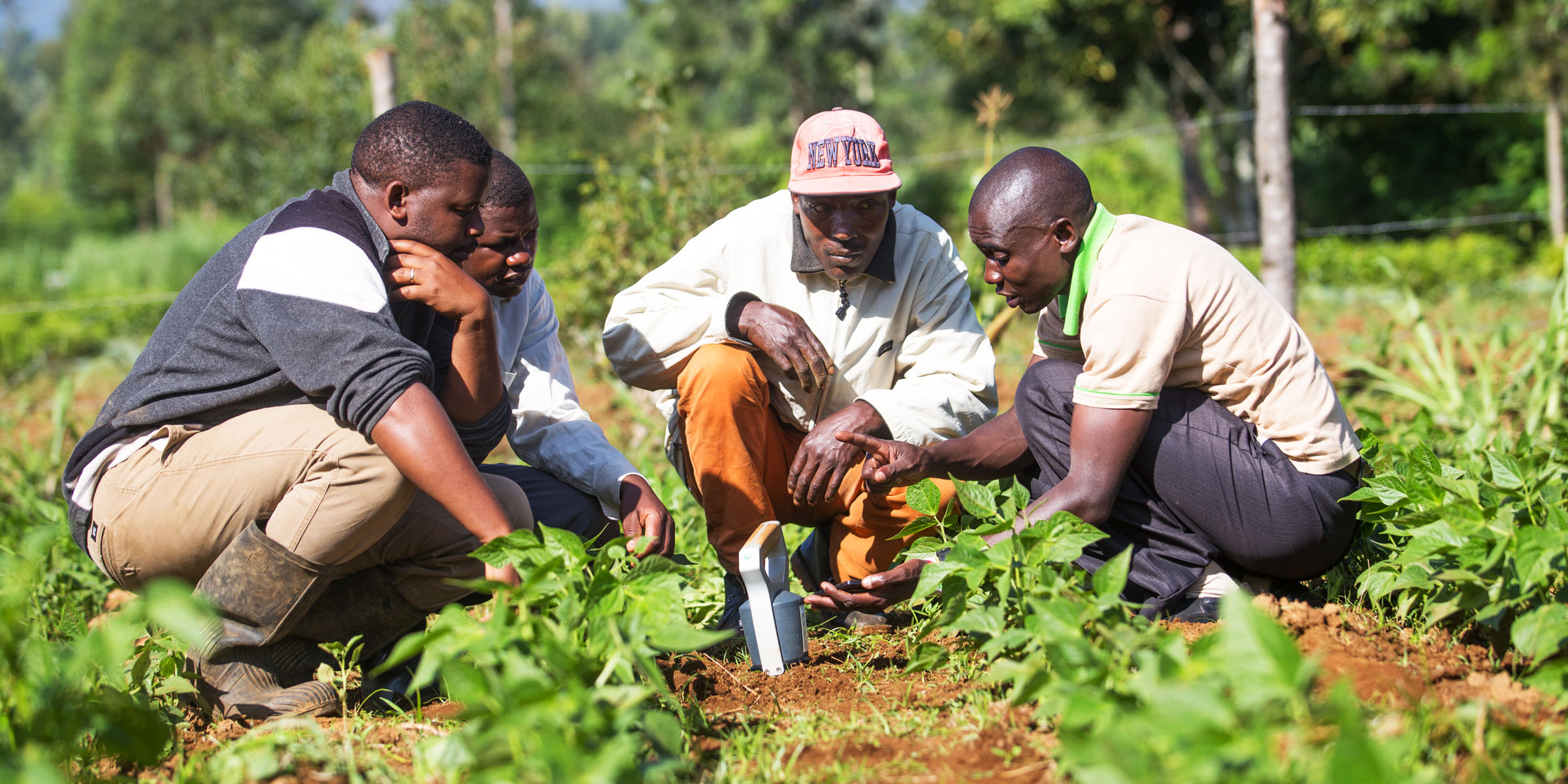
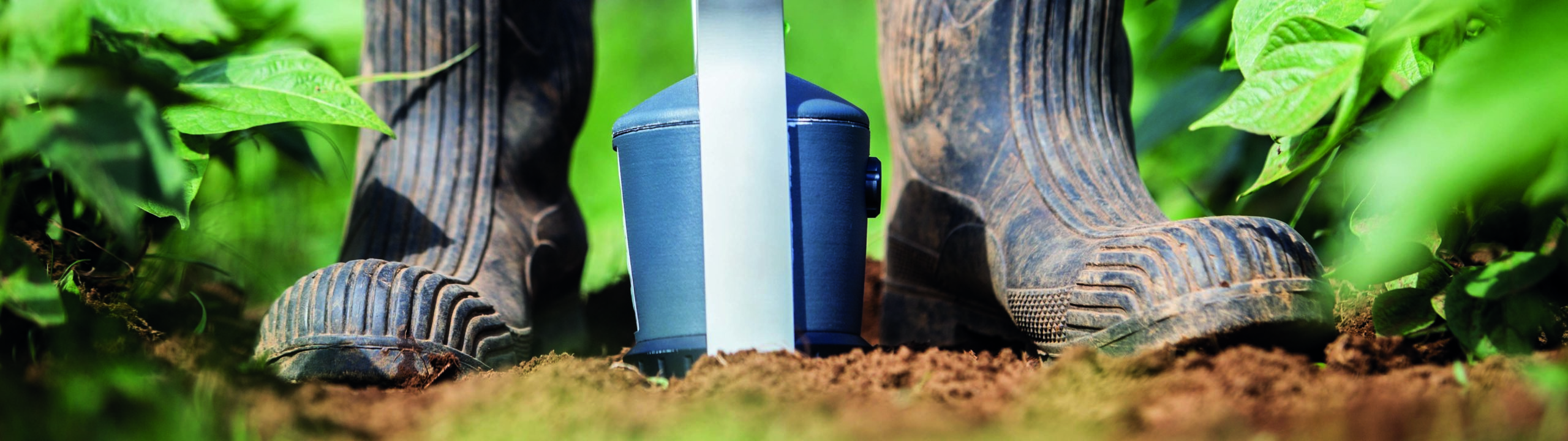
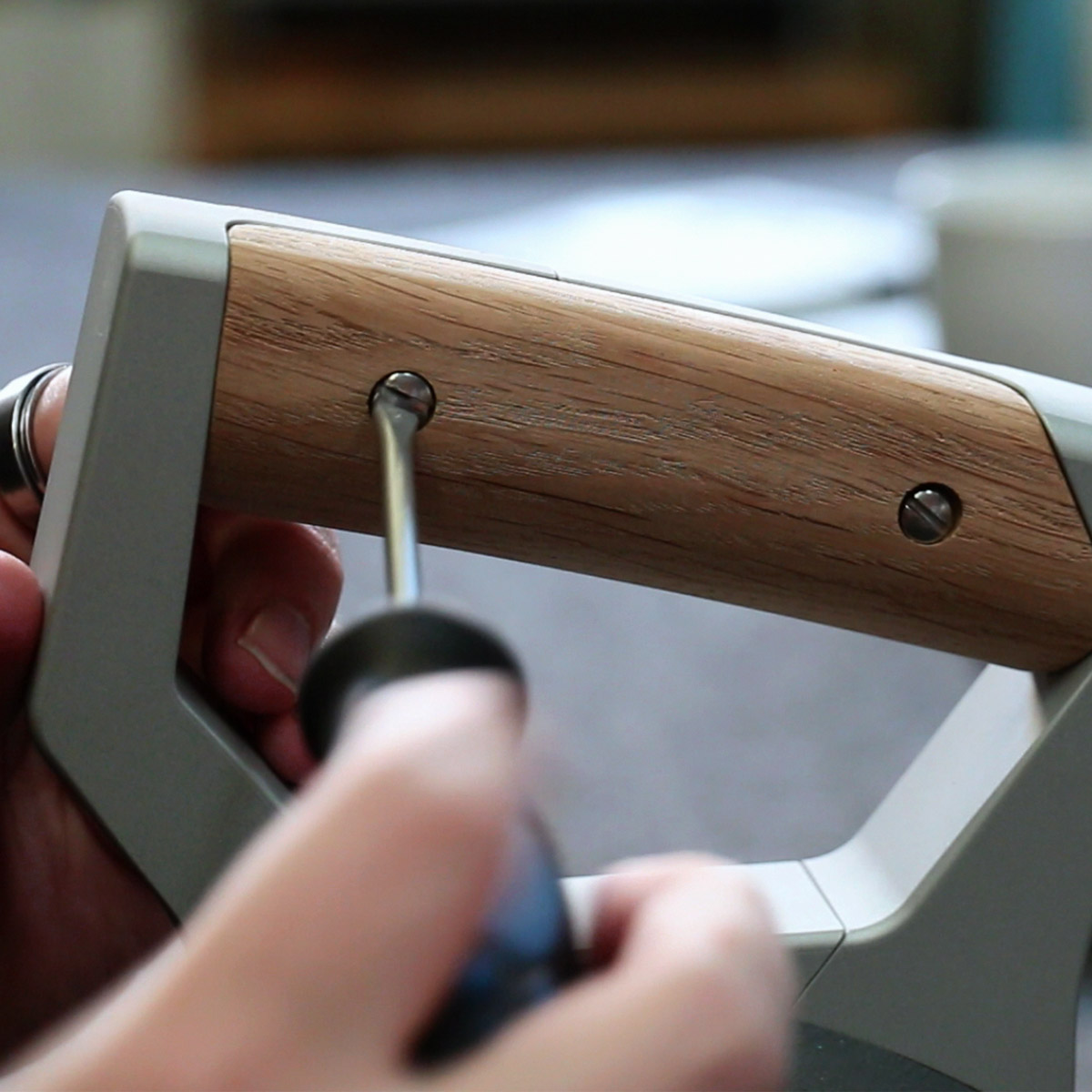
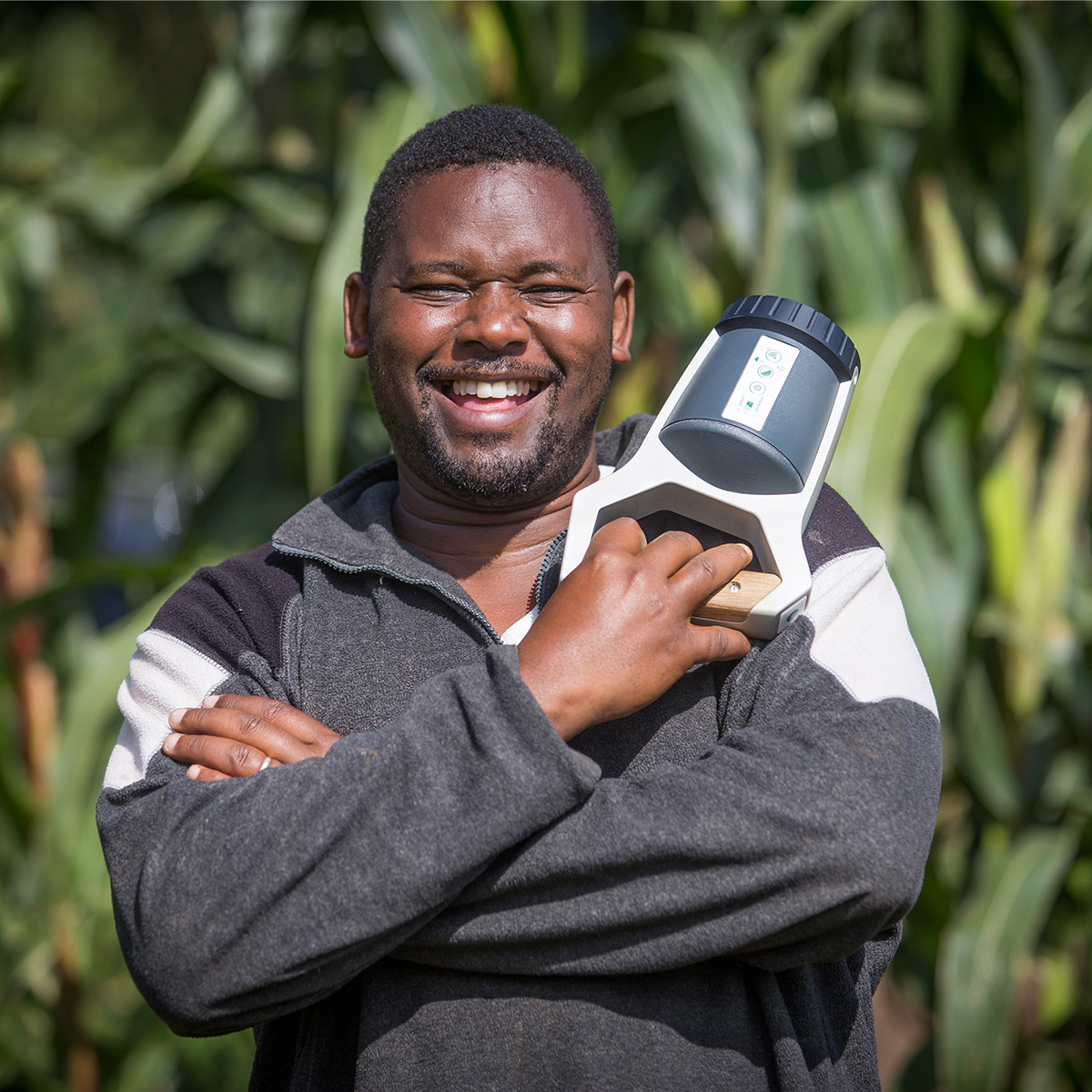
Extensive testing in Kenya (and later also in other parts of the world) yielded valuable feedback and interesting points for improvement, such as the ergonomic improvement of the handle angle. An intuitively fitting grip for scanning soil turned out to be different on site than was designed in the model at the time.